On February 11, 2026, Monaco came out of stealth with backing from Founders Fund. In May 2026 it raised a $50M Series B led by Benchmark, bringing total funding to $85M, and on August 25, 2026 it became generally available.
Sam Blond, Monaco's CEO, told TechCrunch that Salesforce is the market leader in sales technology today, and that we're in the early innings of the next platform shift.
His pitch? Monaco is the AI-native sales platform that automates customer acquisition, runs outbound, and manages pipeline in one place. The platform disrupting sales with AI has finally arrived.
That's the headline. Here's what I found when I dug past it.
Every Monaco sales platform review on page one pulls from the same three sources: Monaco's press release, Blond's TechCrunch interview, and testimonials from Monaco's product page. Few of them explain who Monaco actually fits, or how it compares with an outbound-first stack.
At general availability, Monaco shared its first numbers: customers averaged +16 percentage points in month-over-month revenue growth and 3x meetings booked. These are self-reported, and there are still no independent reviews to check them against.
So, I spent a week analyzing everything Monaco has published, every press interview, every customer testimonial, and comparing it against what sales teams need in 2026.
I wrote this review to lay out who Monaco fits and who it doesn't.
Below, I'll cover Monaco's features, pricing, real strengths, where it falls short, and how it compares with Salesforge.
Let's get into it.
Short on time? Here's Monaco at a glance.
Bottom line: Monaco and Salesforge do two different jobs. Monaco is a whole revenue platform for seed to Series B+ startups that want CRM, data, multi-channel outbound and an embedded AE in one place. Salesforge is the outbound layer for teams keeping their existing CRM.
Let me be upfront about something before I share any testimonials.
Monaco came out of stealth on February 11, 2026 and has been generally available since August 25, 2026. As of today, there are no G2 reviews and no Capterra ratings. Most testimonials you'll find about Monaco's platform come from Monaco's own product page.
That's not a disqualifier, but it means I can only share what Monaco's selected customers have said publicly, not what the wider market thinks.
Here's what stood out when I read through them.
Hari Raghavan, CEO of Autograph, said his team has tried every modern CRM and sales tool, and that Monaco is the best by a wide margin.
Alex Berkovic, Co-Founder of Sphinx, said Monaco made his legacy CRM feel instantly obsolete.
Amy Yan, Co-Founder of Nowadays, said her team had their entire TAM built on day 2 and were running outbound sequences that same day. That kind of speed, backed by Monaco's white glove activation process, is hard to find anywhere else.
Phillip Smart, CEO and Co-Founder of Parley, described the experience as having a machine running in the background getting new meetings set up for him.
Graham Cummings, CRO of Datawizz, captured the all-in-one angle well: his 3-person team is running go to market like a 20-person sales org.
Two patterns jumped out at me when I read them all back-to-back.
First, speed of setup. Multiple founders call out how fast Monaco's platform gets them running. Day 2 TAM. Same-day outbound. Almost no ramp.
Second, the human forward deployed AE is what customers rave about, more than the AI itself. That's a signal worth paying attention to. It means Monaco's biggest product differentiator isn't just the agentic layer. It's the person sitting beside it.
Monaco's GA numbers (+16 percentage points in month-over-month revenue growth and 3x meetings booked, on average) back these testimonials up, but they are self-reported. Until independent reviews appear, I'd weigh them as strong signals, not proof.
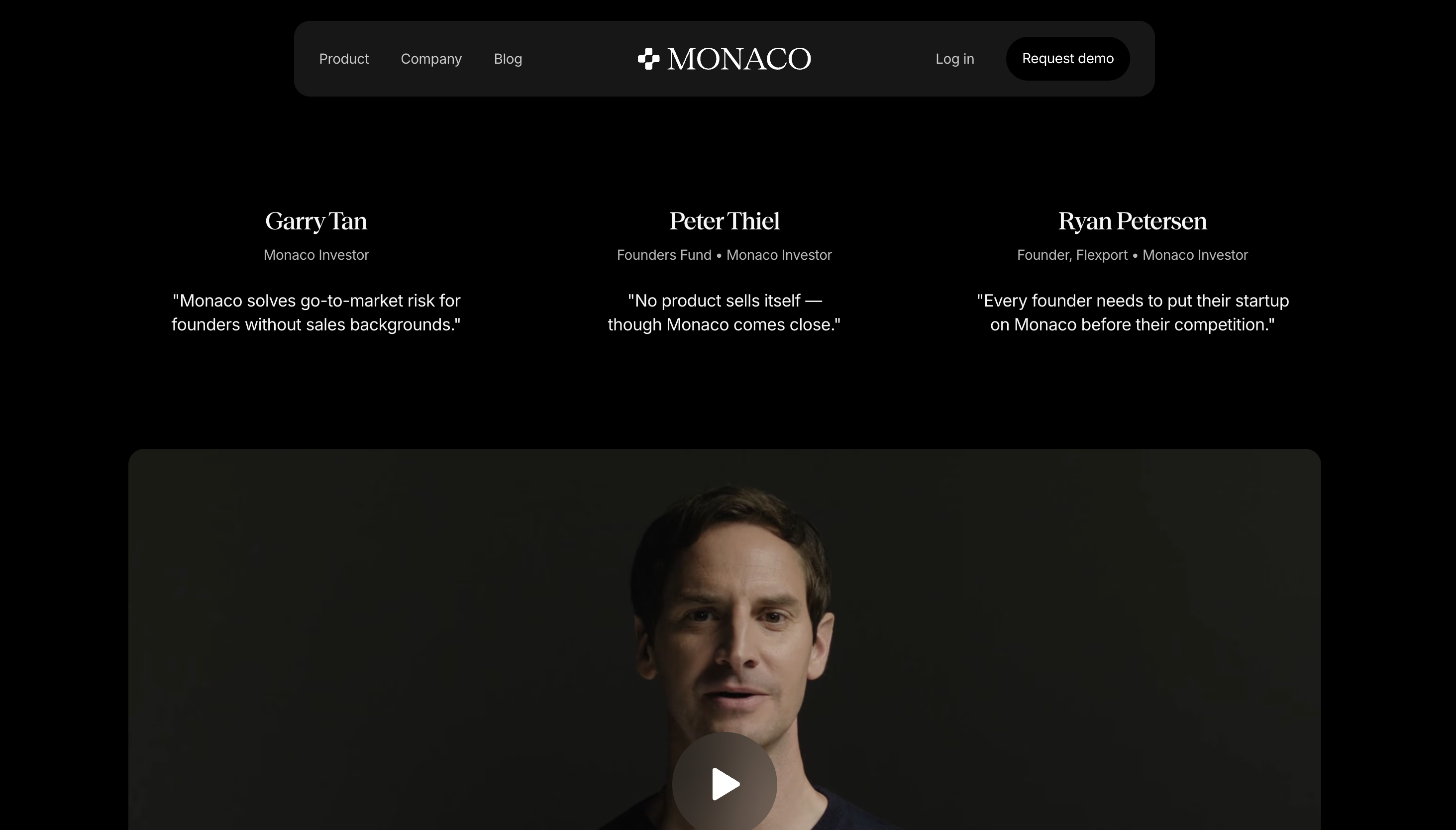
Monaco is an AI-native revenue platform for startups from seed to Series B+ that bundles CRM, prospect database, multi-channel outbound, email infrastructure, meeting recorder, and deal advisory into a single system, with a forward deployed human sales exec embedded alongside your team.
That's the short version.
Monaco's own framing is more ambitious. The company positions itself as "the all-in-one revenue platform and system of record." The launch press release pitches Monaco's platform as a replacement for legacy CRM and disparate point solutions, wrapped in a fully integrated agentic system that proactively recommends and takes action to generate more demand and move deals forward.
Translation: Monaco wants to replace most of your existing sales stack.
Here's what Monaco is trying to consolidate into one platform:
That's seven categories, one platform. Ambitious is an understatement.
What Monaco doesn't include is dedicated sending IPs. Teams that want them can layer Infraforge on top. And because Monaco wants to be your system of record, teams with heavily customized Salesforce or HubSpot setups should plan a real migration.
I'll get into what Monaco does include next.
Monaco ships eight core features, including its biggest differentiator: the forward deployed AE.
Here's a feature-by-feature breakdown of what Monaco includes, based on Monaco's product page, the official press release, and the TechCrunch launch coverage.
Monaco's CRM is not Salesforce with AI bolted on top.
It's built from the ground up to be intelligent. The system auto-logs every email, call, and meeting. It handles interaction capture without manual data entry. It manages pipeline with minimal rep input. And it proactively recommends next actions to move deals forward.
Sam Blond's framing in the press release positions this directly against legacy CRM and disparate point solutions. The AI doesn't just store data. It takes action.
My honest read: Monaco is built as a full system of record, with an extensible data model, custom fields and stages, and a full read/write API plus MCP. That's a real advantage over HubSpot or Salesforce with AI features stapled on. Teams with years of heavy customization on a legacy CRM should plan a migration rather than a quick swap.
This is Monaco's answer to Apollo and ZoomInfo.
The platform automatically builds and stack-ranks your entire TAM from an ICP definition. It layers overlay signals on top of account data to surface recommended buyers. Those signals include existing connections, job changes, and custom web-based signals that indicate buying intent.
The goal is list building without stitching together three or four data vendors.
Amy Yan from Nowadays said her team had the entire TAM built on day 2. That's the speed Monaco is promising.
My honest read: the real question is data freshness and source transparency, neither of which Monaco has documented publicly. Apollo has 200M+ contacts with known refresh cycles. ZoomInfo has 20+ years of database operations. Monaco's prospect database is newer. The question to ask in a demo is how it sources and refreshes data.
Monaco's AI agents run multi-channel outbound campaigns end-to-end across email, LinkedIn and phone.
They draft personalized first touches and follow-ups. They manage sequences and handle follow-ups across multiple prospects at once. They use embedded go-to-market best practices to generate more demand without constant rep input.
Sam Blond told TechCrunch that Monaco can replace full workflows with agents. The system builds the database of prospects, identifies the exact people to pitch, orchestrates the sequence, and schedules meetings.
My honest read: drafting personalized outbound copy is a solved problem in 2026. What matters is what happens after the email is drafted. Monaco builds the email infrastructure in: SPF/DKIM/DMARC setup, domain warming, send limits, inbox cooling, and multiple sending domains unified into single inboxes. Dedicated IPs are not included; Infraforge can be layered on top if you want them.
Monaco includes a built-in meeting recorder that handles call recording, summarizes conversations, pushes updates to the CRM, and surfaces action items.
It covers the basic Gong, Fathom, or Fireflies use cases out of the box.
My honest read: this is table stakes in 2026. Nice to have bundled. Not a reason to switch platforms on its own.
This is Monaco's signature feature and the one customers rave about the most.
Every Monaco customer gets paired with an experienced human sales exec who works alongside the team. The forward deployed AE monitors the AI agents, guides them, ensures quality, and handles actual customer meetings in person. No avatars. No AI pretending to be human.
Sam Blond was specific about this in his TechCrunch interview: Monaco does not have an agent pretending to be a sales rep trying to sell to the customer.
This is the human in the loop model, and it's the smartest product decision Monaco made. Fully autonomous AI SDRs like 11x and Artisan try to replace humans entirely. The result is hallucinated emails, damaged sending reputation, and prospects getting burned by cringe-worthy automated outreach. Monaco sidesteps all of it.
My honest read: this is Monaco's most durable moat. It's also the feature most at risk when Monaco tries to scale past its first hundred customers.
Monaco's deal advisory layer gives AI-powered coaching on which deals to prioritize, what actions to take, and how to close.
Ben Dopfner from Vesto described it as having a world class CRO as a copilot.
My honest read: this is only as good as the pipeline data you've fed it. Useful once deals are flowing. Less useful when you're starting from zero.
Monaco includes a natural-language chat interface. You can ask it questions about your pipeline, your customers, or trends across the business, and it answers.
My honest read: nice-to-have. Not a reason to switch platforms.
Monaco identifies website visitors and captures demo-request signals, then feeds them into account scoring so reps know which accounts to work first.
Monaco doesn't include dedicated sending IPs, and it has no independent G2 or Capterra reviews yet. Its CRM is opinionated, which is a strength for new teams and a migration project for teams with heavy legacy customization.
Monaco uses usage-based pricing. There's no public pricing page, so you'll need a conversation with Monaco to see what your usage maps to.
When comparing Monaco with Salesforge, compare scope, not just price. Monaco replaces your CRM, data, outbound and email infrastructure in one platform. Salesforge is the outbound layer you run alongside the CRM you already have.
Monaco is doing several things right. Some of them are product decisions. Some are positioning. A few are structural advantages that come from starting fresh in 2026 without the baggage that weighs down incumbents.
Here are the strengths worth taking seriously.
Monaco has real gaps. Here are the ones that matter today.
After digging through Monaco's product, its testimonials, and every piece of public coverage, I can draw a pretty clean line between the teams that should look at Monaco seriously and the teams that should look elsewhere.
Let me break it down.
✔️ A seed to Series B+ startup. Including teams moving from founder-led sales to a first VP of Sales. Monaco's all-in-one model spares you the stack-assembly problem.
✔️ A founder-led team that wants an embedded sales exec. The forward deployed AE is Monaco's killer feature for founders who've never built a sales motion. Having an experienced human sit alongside the AI, guide the outreach, and run customer conversations is hard to replicate anywhere else.
✔️ Running multi-channel outbound. Email, LinkedIn and phone from one platform, with email infrastructure built in.
✔️ A VP of Sales building a GTM engine with a team of reps. Monaco gives the team one system of record, data, outbound and coaching from day one.
✔️ Looking to consolidate 5 to 8 tools into one platform. If you're currently duct-taping a CRM, a prospect database, a sequencer, a meeting recorder, and a pipeline tracker together, Monaco's one-platform promise is worth the demo slot.
❌ A mid-market or enterprise SDR org. Monaco isn't built for teams with 20+ sales reps, complex territory management, or custom forecasting requirements.
❌ Deeply invested in Salesforce or HubSpot customizations. If your revenue operation runs on a legacy CRM with years of customizations, workflows, and integrations, moving to Monaco means a real migration.
❌ A team that only wants an AI SDR on its existing CRM. That's the job Salesforge does. Which brings me to the alternative worth considering.
If you're weighing Monaco alternatives for 2026, Salesforge is the option for sales teams that want an outbound layer on top of the CRM they already use.
Here's why.
Monaco is a whole revenue platform. One CRM, one prospect database, multi-channel outbound, email infrastructure, and one human sales exec embedded alongside the AI. That's a big ambition and a legitimate one.
Salesforge takes a different bet. Instead of bundling everything into a generalist platform, Salesforge is purpose-built for teams where outbound is the primary growth engine. If email is how you generate pipeline and win new customers, Salesforge wins on depth.
Let me walk you through what the Salesforge stack actually includes, and what each piece does.
Agent Frank is Salesforge's AI SDR.
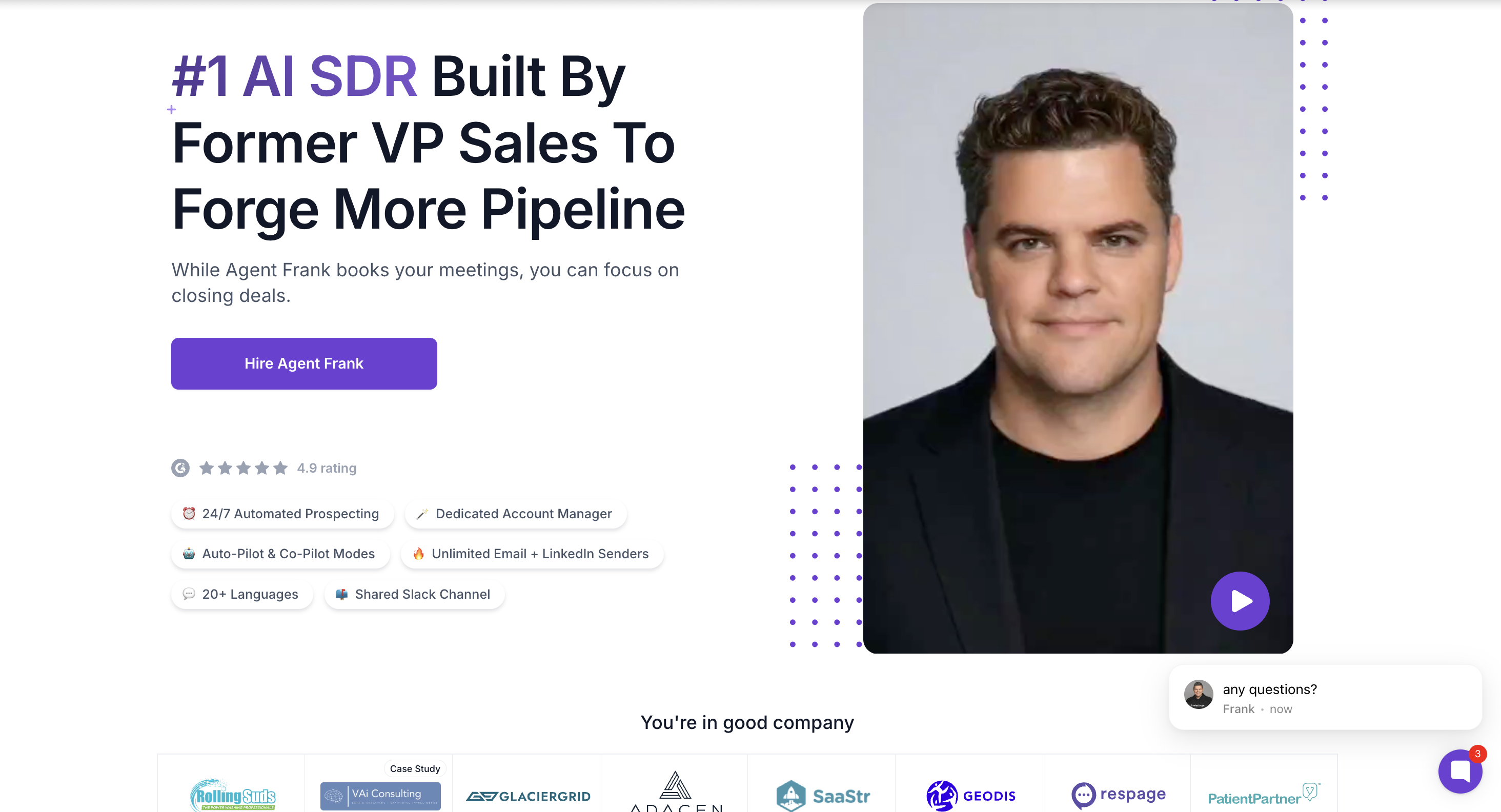
It researches prospects, writes personalized outreach, runs sequences, handles follow-ups, and books new meetings. The workflow looks a lot like what Monaco's AI agents promise.
The difference is what sits underneath.
Agent Frank runs on top of Salesforge's full deliverability stack, which means you can actually send at volume without burning sending domains or dropping into spam. You get AI SDR automation plus the full deliverability stack, on top of the CRM you already use.
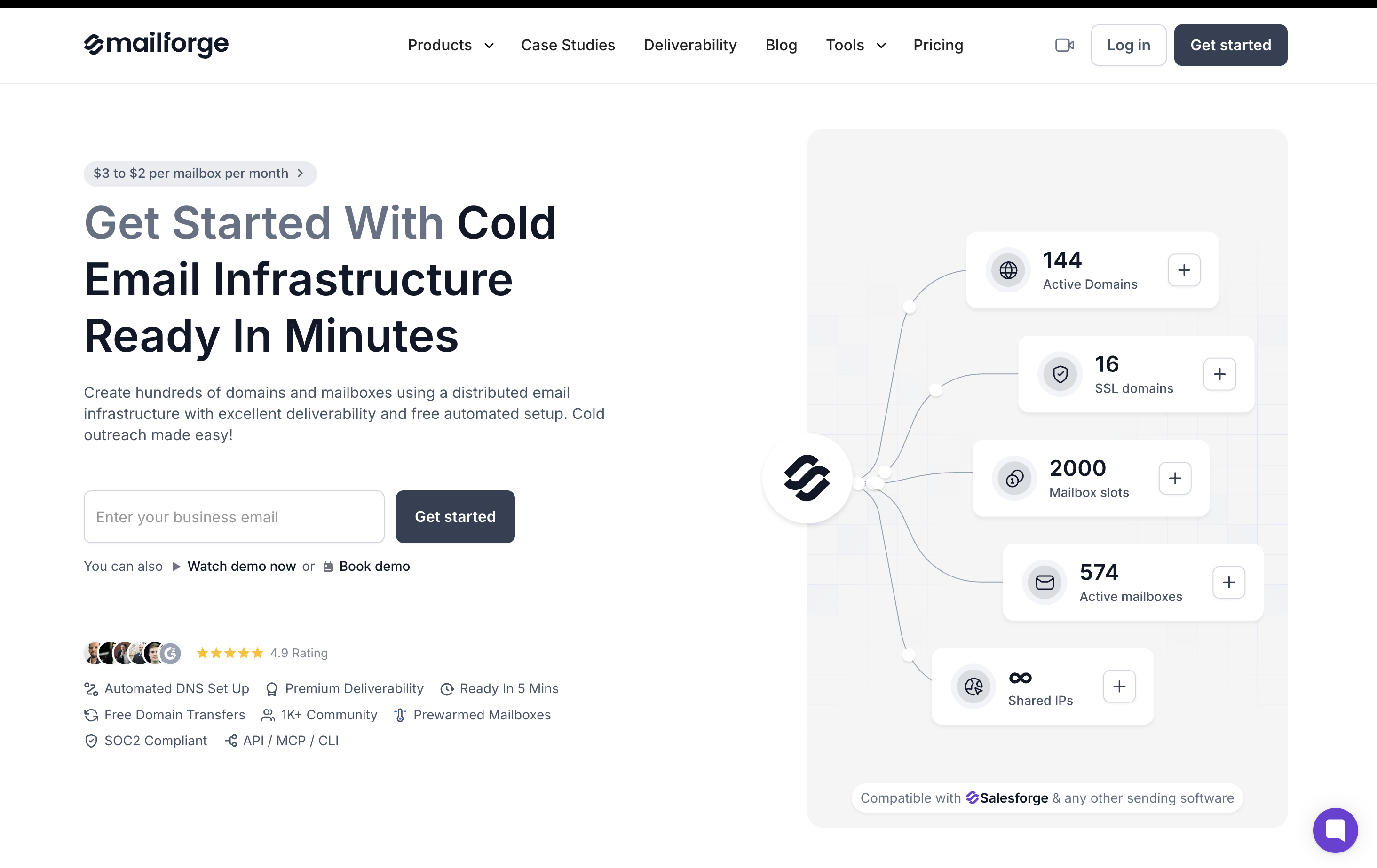
Mailforge handles the unglamorous layer that makes outbound work.
It provisions sending domains programmatically, with SPF, DKIM, and DMARC configured correctly from day one. You can spin up multiple domains for rotation without manually buying and configuring each one. And it's dramatically cheaper than buying domains through a traditional registrar and setting up email infrastructure yourself.
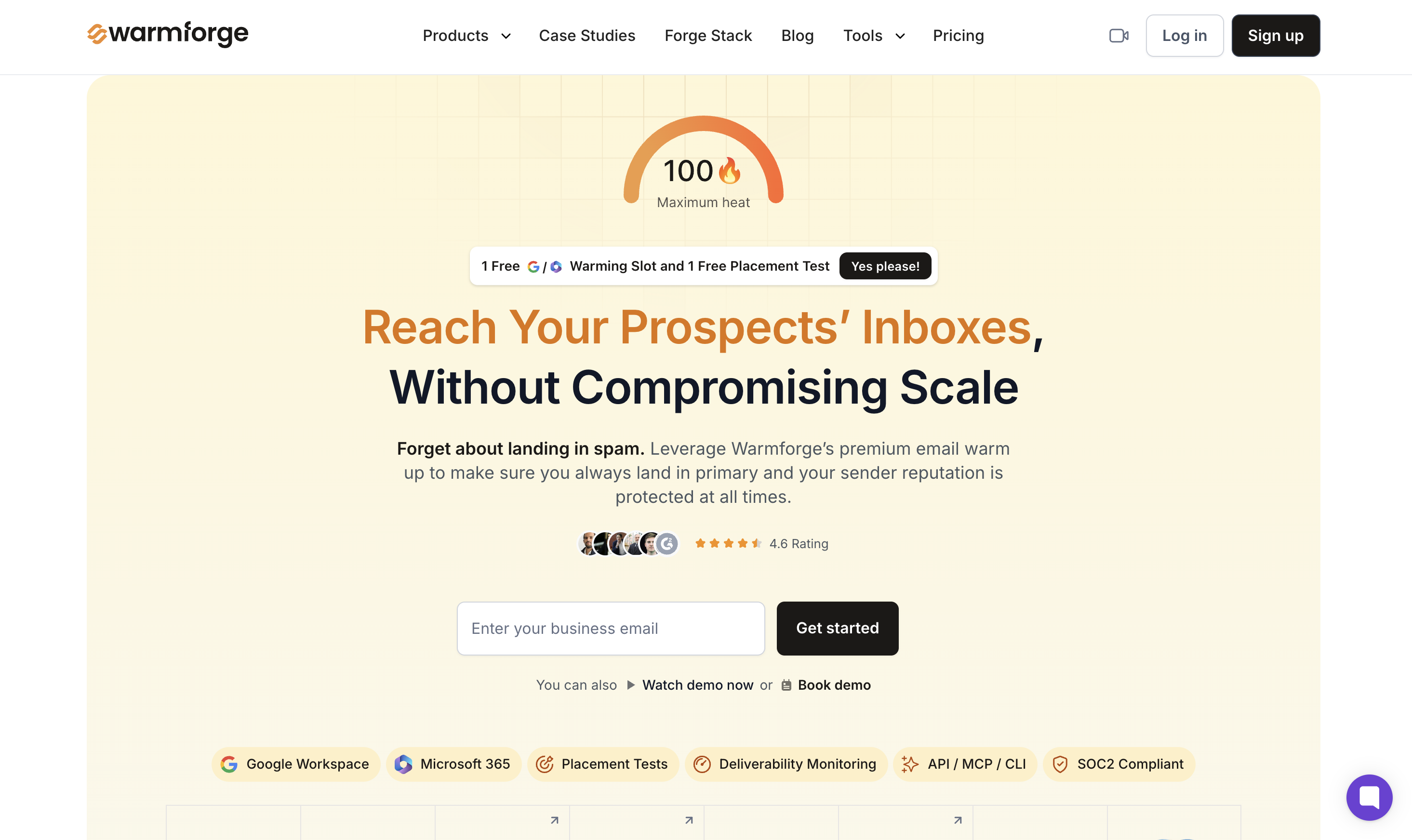
Warmforge handles mailbox warmup across your sending domains and inboxes.
It warms new mailboxes gradually. It monitors inbox placement in real time. It alerts you when deliverability drops. And it keeps your follow-up emails landing where prospects actually read them, not in the spam folder where they silently die.
For teams running any meaningful outbound volume, this is non-negotiable.
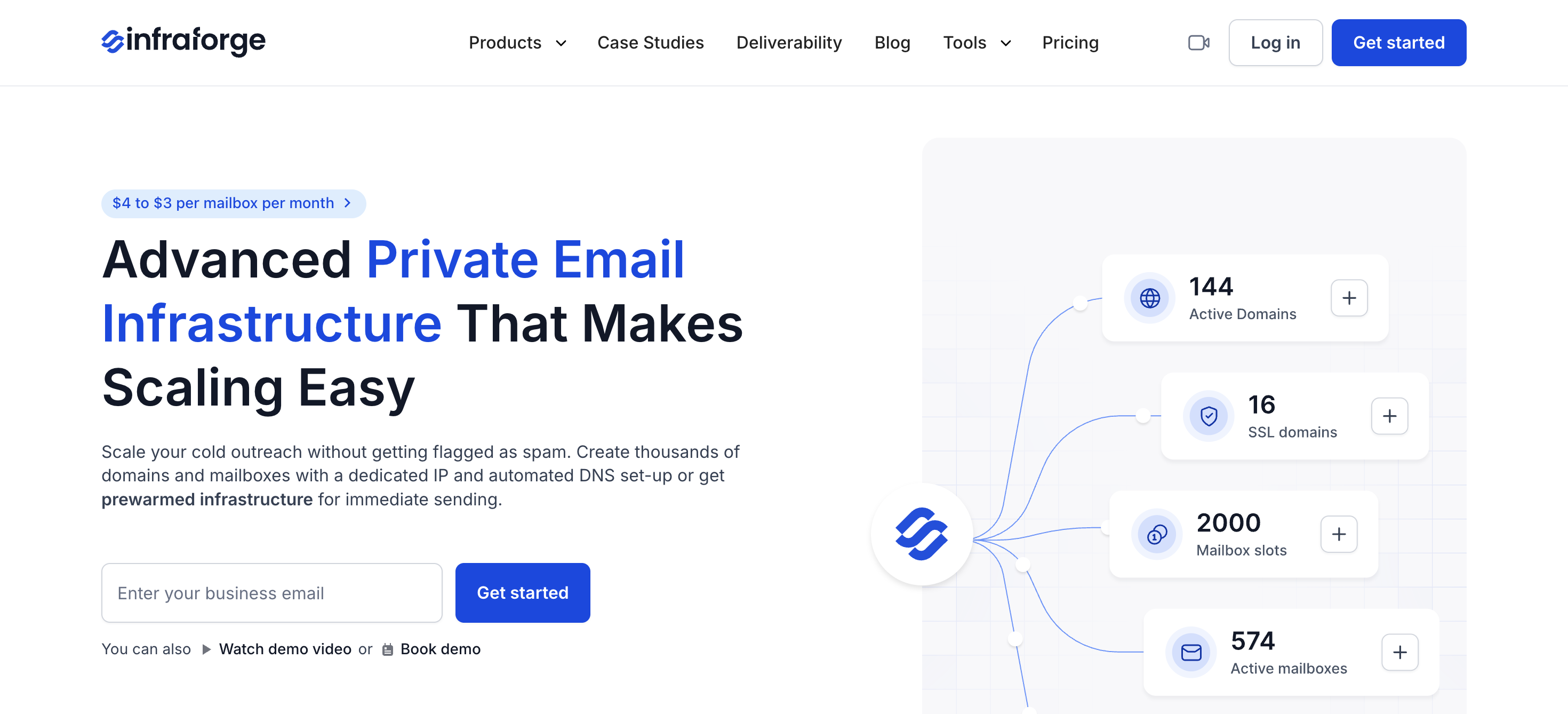
Infraforge gives you dedicated sending infrastructure, not the shared IPs most platforms default to.
Dedicated infrastructure means your sending reputation is yours. One bad actor on the platform can't drag down your deliverability. Your volume scales predictably. Your domain reputation stays under your control.
Infraforge also works alongside platforms like Monaco that don't include dedicated IPs.
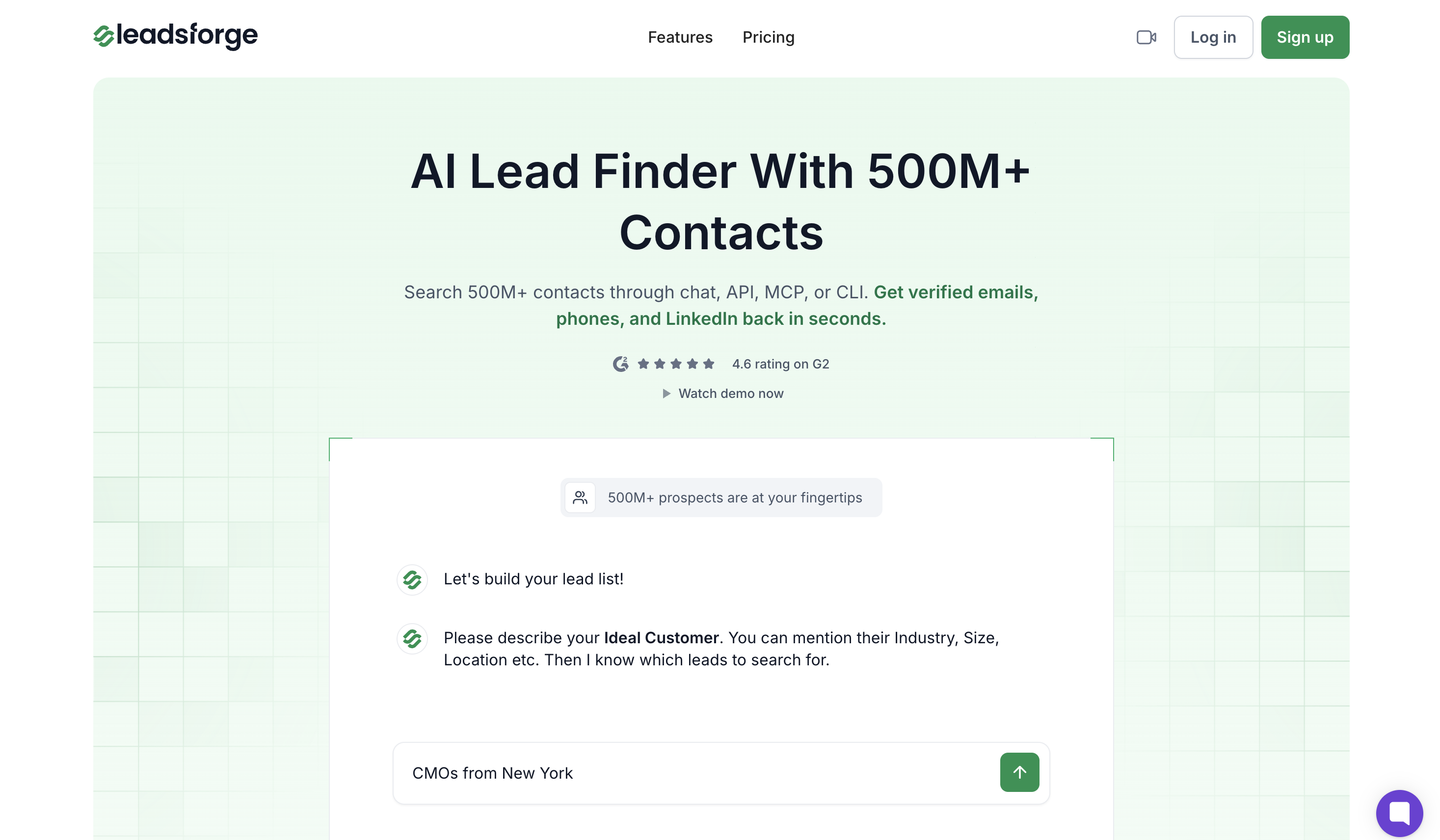
Leadsforge is Salesforge's prospect database.
It handles list building from an ICP definition, similar to Monaco's TAM builder. It layers signals like job changes and buying intent on top of account data. It surfaces recommended buyers and helps you build targeted outbound lists fast.
The focus is transparency. You know where the data comes from. You know how often it refreshes. You know what you're paying for.
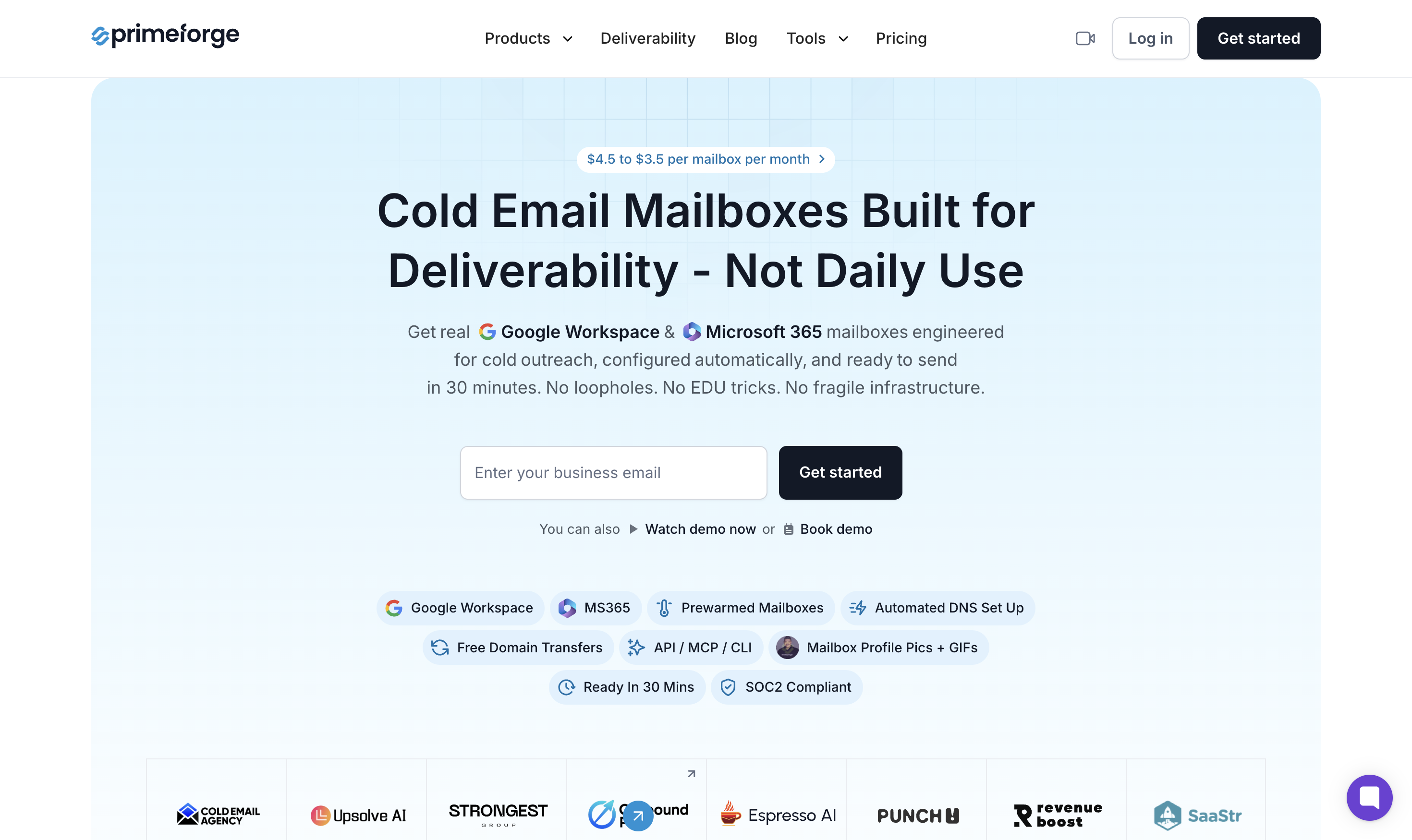
Primeforge provisions Google Workspace and Microsoft 365 mailboxes at scale, with warmup built in from the start.
For teams that want premium deliverability without the manual setup work, this is a meaningful unlock. Your mailboxes start warm, stay warm, and plug into the rest of the Salesforge stack without configuration overhead.
Here's the short version.
Monaco is a whole revenue platform for startups that want CRM, data, multi-channel outbound and an embedded AE in one system.
Salesforge is the outbound layer for teams that want to keep their existing CRM and add an AI SDR with a full deliverability stack underneath.
Two different jobs. If the second one is you, start with Salesforge.
I've laid out the case in prose. Here it is in table form so you can scan the differences at a glance.
Here's how I'd read the table.
Monaco and Salesforge both help sales teams win customers, but they solve different problems.
Monaco wants to be your whole revenue platform. It bundles CRM, data, multi-channel outbound and email infrastructure, adds a human sales exec on top, and asks you to run your GTM inside it.
Salesforge wants to be your outbound engine. It focuses on the hard, infrastructure-heavy parts of running email outreach at scale, which is where most platforms quietly fail. If you want to keep your CRM and add an outbound engine that holds up at volume, Salesforge is built for that.
Here's where I land after going through every piece of Monaco coverage I could find.
Monaco is a genuinely strong product. World-class team, $85M in funding including a Benchmark-led Series B, generally available since August 2026, and self-reported GA results of +16 percentage points in month-over-month revenue growth and 3x meetings booked. The human-in-the-loop forward deployed AE is the smartest product decision anyone's made in AI sales in two years.
The remaining gaps are narrow: no independent reviews yet, no public pricing page, and an opinionated CRM that means a real migration for teams with heavy legacy customization.
Monaco and Salesforge do two different jobs. If you want one revenue platform for a seed to Series B+ team, look at Monaco. If you want an AI SDR and a full outbound stack on top of the CRM you already run, Salesforge is built for that.
Start with Salesforge. It offers a 14-day free trial for a test drive.
Yes. Monaco is built as a system of record, with an extensible data model, custom fields and stages, and a full read/write API plus MCP.
Teams already running heavily customized workflows on a legacy CRM should plan a migration rather than a quick swap.
Monaco uses usage-based pricing. There's no public pricing page, so you'll need to talk to Monaco for a quote that fits your usage.
It depends on your stage and setup.
Monaco fits seed to Series B+ startups that want an AI-native platform with an embedded sales exec. Salesforce fits mid-market and enterprise teams with deep customization and complex forecasting needs.
For most startups, largely yes. Monaco covers CRM, prospect database, email, LinkedIn and phone sequences, and built-in email infrastructure.
It doesn't include dedicated IPs; Infraforge can be layered on top. If you want to keep your existing CRM and add an outbound layer, Salesforge is built for that.
.jpg)

.jpg)

.jpg)